


































This article may contain some affiliate links. This means that if you click on the link and make a booking or purchase, we may earn a commission without any extra cost to you. Many clients have had positive experiences with these products and services, but it is essential to do your research, consult with your dietitian or healthcare provider where necessary, and only spend money on what suits your needs.
Understanding and Managing Dizziness
Dizziness is a common complaint that many of us experience at some point in our lives. It’s not a condition itself, but rather a symptom that can manifest in various ways, from a brief moment of feeling lightheaded to a debilitating sensation that throws your entire world off balance.
When you experience dizziness, it can be unsettling and prompt questions about its origins and potential seriousness. Understanding the different facets of dizziness – its types, causes, symptoms, and treatments – is crucial for effective management and knowing when to seek professional help.
“Dizziness is a broad term, and accurately describing what you’re feeling is the first step towards finding the right diagnosis and treatment,” explains a leading neurologist.
Types of Dizziness
While often used interchangeably, “dizziness” encompasses several distinct sensations. Pinpointing your specific experience is key to understanding its underlying cause.
- Vertigo: This is the most distinct type of dizziness, often described as a spinning sensation. You might feel like you or your surroundings are revolving or tilting. The room spinning can be mild or so severe that it affects your balance and makes it difficult to stand or walk. Vertigo symptoms are typically associated with issues in the inner ear or brain.
- Lightheadedness: This sensation is characterized by feeling faint, woozy, or as if you might pass out. You might experience dizziness and lightheadedness together, often accompanied by a sense of weakness. Lightheadedness causes often include temporary reductions in blood flow to the brain, such as when you stand up too quickly.
- Feeling Faint (Presyncope): This is a more intense form of lightheadedness where you feel on the verge of losing consciousness, but don’t actually pass out. Symptoms like nausea, sweating, and blurred vision can accompany it.
- Disequilibrium: This refers to a general sense of unsteadiness or loss of balance, without the spinning sensation of vertigo or the feeling of faintness. You might feel wobbly or unsteady on your feet, increasing your risk of falling.
Read Also: How to Manage Dizziness from Medication: Proven Treatment Strategies
Causes of Dizziness
Dizziness reasons are incredibly diverse, ranging from minor, temporary issues to more serious underlying conditions. Identifying the cause is paramount for proper treatment.
Common Causes of Dizziness:
- Inner Ear Problems: A problem in the vestibular system leading to inner ear problems plays a crucial role in balance. Conditions like Benign Paroxysmal Positional Vertigo (BPPV), Meniere’s disease, labyrinthitis, and vestibular neuronitis are frequent causes of vertigo. These can cause dizziness rolling over in bed, dizziness when looking up, or dizziness when looking down.
- Low Blood Pressure (Orthostatic Hypotension): A sudden drop in blood pressure, especially when changing positions, leads to low blood pressure dizziness. This can present as dizziness on standing, dizziness when standing up, or dizziness when standing up and walking.

STOP DIZZINESS WITH CLARITOX PRO
- Dehydration: Insufficient fluid intake can lead to dehydration dizziness and lightheadedness. A lot of people often ask, “Will dehydration cause dizziness?” Absolutely, it’s a very common cause.
- Stress and Anxiety: Dizziness from anxiety or dizziness from stress and anxiety is very real. Would anxiety cause dizziness? Yes, anxiety, panic attacks, and hyperventilation can all trigger dizziness and lightheadedness. So, dizziness from panic attack is also real.
- Medication Side Effects: Many drugs, including some blood pressure medications, sedatives, and antidepressants, can cause dizziness as a side effect. You may wish to read my book, “Medication-induced dizziness” to learn more, and equally acquaint yourself with dizziness medications over the counter. You can also discuss prescribed dizziness medications with your doctor.

- Migraines: Migraine vertigo or migraine with dizziness can occur even without a headache. This is often referred to as a vestibular migraine.
- Circulatory Problems: Conditions affecting blood flow, such as heart muscle disease, heart attack, stroke (dizziness stroke is a serious concern), or even an irregular heartbeat, can cause dizziness. So, Can dizziness be a sign of heart problems? Yes, it can be, especially if accompanied by shortness of breath or chest pain.
- Neurological Conditions: Disorders like Parkinson’s disease (dizziness Parkinson’s) or multiple sclerosis can impact balance and cause dizziness.
- Anemia (Low Iron): Dizziness from low iron is a common symptom of anemia, often accompanied by fatigue and shortness of breath.
- Lack of Sleep: Dizziness from lack of sleep is a frequently overlooked cause, as fatigue can impair concentration and coordination.
Read Also: Understanding Dizziness vs. Lightheadedness: Key Differences You Need to Know
Specific Situations and Related Causes:
- Pregnancy: Dizziness from early pregnancy is a common symptom due to hormonal changes and increased blood volume demand. Dizziness while pregnant, frequently called the dizziness of pregnancy can persist throughout, if not adequately attended to. So, is dizziness is a sign of pregnancy? Often, yes.
- Women-Specific: What are the major dizziness causes in women? These are dizziness episodes that occur at specific times. These can include dizziness during ovulation, dizziness during period, and dizziness during perimenopause. So, is dizziness a sign of menopause? Of course, yes, and is mostly due to hormonal fluctuations.
- Infections: Dizziness from covid is a known symptom, as are dizziness with flu and dizziness with sinus infection. Will ear infection cause dizziness? Yes, ear infections can severely affect balance. Dizziness uti (that is, dizziness from urinary tract infection) can also occur, especially in older adults.

- Elderly: Dizziness in elderly individuals is a significant concern due to increased risk of falls and often multiple underlying health conditions or medications.
- Blood Sugar Issues: High blood sugar or low blood sugar (hypoglycemia) can both cause dizziness. A few people also experience dizziness after eating. But the most frequent question is, Is dizziness after eating a sign of diabetes? The answer is, yes it can be for some individuals, especially if blood sugar levels fluctuate widely after eating.
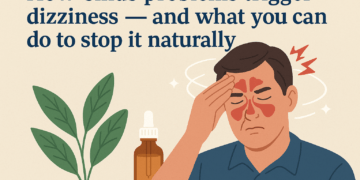
- Cervical Issues: Cervical dizziness or cervicogenic dizziness refers to dizziness originating from neck problems, such as injury or arthritis. And just as an addition, too, sinus congestion may cause dizziness for some people. So, for those who ask, Can sinus cause dizziness? Yes, sinus congestion and pressure can often be accompanied by dizziness. And in many cases, such ‘sinus with dizziness’, presentation can cause lightheadedness or a feeling of imbalance.
Here’s a table summarizing common dizziness causes and their characteristics:
| Cause | Type of Dizziness Most Common | Common Accompanying Symptoms |
|---|---|---|
| Inner Ear Problems (e.g., BPPV) | Vertigo (spinning sensation, room spinning) | Nausea, vomiting, imbalance, triggered by head movement |
| Low Blood Pressure | Lightheadedness, feeling faint | Blurred vision, weakness, esp. on standing (dizziness on standing) |
| Dehydration | Lightheadedness | Thirst, dry mouth, fatigue, decreased urination |
| Anxiety/Stress | Lightheadedness, unsteadiness, feeling faint | Shortness of breath, palpitations, sweating, panic attack |
| Migraine | Vertigo, lightheadedness, unsteadiness | Headache (may or may not be present), visual aura, noise sensitivity |
| Medications | Lightheadedness, general unsteadiness | Varies by medication, fatigue, drowsiness |
| Anemia | Lightheadedness | Fatigue, pallor, shortness of breath |
| Pregnancy | Lightheadedness | Nausea, fatigue, breast tenderness (early pregnancy) |
Dizziness Symptoms & Diagnosis
When you experience dizziness, paying close attention to your specific symptoms can significantly help your doctor determine the cause. Your doctor will likely ask about:
- When it started: Was it sudden onset dizziness or chronic dizziness?
- How long it lasts: Seconds, minutes, hours, or days?
- What triggers it: Does it happen when you move your head, stand up (dizziness when standing up), lie down (dizziness lying down), or upon waking (dizziness upon waking)?
- Accompanying symptoms: In addition to other symptoms, do you also have dizziness and nausea, dizziness with headache or fatigue, dizziness with lightheadedness and nausea, dizziness with nausea and vomiting, dizziness with shortness of breath and fatigue, difficulty breathing (i.e. difficulty breathing and dizziness), ear ringing, hearing loss, or weakness? Check for some or all of these symptoms. It’s important.
Read Also: Dizziness Explained! Causes, Symptoms & Cures for Every Scenario
A thorough approach to dizziness often includes:
- Medical History: Discussing your health conditions, medications, and lifestyle.
- Physical Examination: Including neurological and balance tests.
- Specialized Tests: Depending on the suspected cause, these might include:
- Hearing Test: To assess inner ear function.
- Electronystagmography (ENG) or Videonystagmography (VNG): To record eye movements and evaluate the vestibular system.
- Imaging Scans: MRI or CT scans of the head and neck to rule out conditions like dizziness stroke or dizziness from cervical issues.
- Blood Tests: To check for anemia (dizziness from low iron), blood sugar issues (dizziness from high blood sugar), or infections.

When Dizziness is Dangerous:
It’s crucial to seek immediate medical attention if you experience sudden onset dizziness which is accompanied by:
- A severe headache (dizziness with headache)
- Numbness or tingling
- Sudden weakness
- Difficulty speaking or seeing
- Loss of consciousness
- Chest pain or irregular heartbeat
These symptoms could indicate a stroke, heart problem, or other serious neurological issue.
Read Also: Will Dizziness From Amlodipine Go Away? Find Out Now!
Dizziness Treatment & Relief
The treatment for dizziness depends entirely on its cause. Your healthcare provider, who may be a general practitioner, an ENT (Ear, Nose, and Throat specialist), or a neurologist (who diagnosis vertigo), will tailor a plan for you.
General Strategies and Home Remedies:
- Hydration: For dehydration dizziness, simply drinking more water can offer significant relief.
- Slow Movements: Change positions slowly, especially when getting out of bed or standing up, to prevent dizziness on standing.
- Rest: Adequate sleep can help with dizziness from lack of sleep.
- Diet: Dizziness treatment through food focuses on balanced meals to maintain stable blood sugar. Avoid excessive caffeine, alcohol, and high-sodium foods, which can worsen some types of dizziness.
- Manage Stress: Techniques for dizziness from stress and anxiety include deep breathing, meditation, and yoga.

Specific Treatments:
- Medication:
- Antihistamines (OTC): There are many dizziness medications you can get over the counter Antihistamines are one example. They can help suppress vertigo and nausea. Another option is dimenhydrinate. But please, do not take a medication for dizziness from someone who isn’t a registered medical professional. Even the drugs for dizziness and vertigo can worsen the situation if not properly administered. For instance, you can take meclizine for dizziness, but it must be recommended by a qualified health practitioner.
- Anti-nausea drugs: These are drugs for dizziness that presents with nausea vomiting.
- Diuretics: For Meniere’s disease.
- Migraine medications: For migraine with dizziness.
- Anxiety medications: For dizziness and anxiety related episodes.

- Vestibular Rehabilitation Therapy (VRT): This is a specialized form of physical therapy that involves dizziness relief exercises to help your brain compensate for inner ear problems. It’s highly effective for chronic dizziness, also acts as a natural remedy for vertigo, and conditions like BPPV.
- Epley Maneuver: If you’ve been thinking of how to stop dizziness, this is a simple, non-invasive technique performed by a healthcare professional or taught for home use, specifically for BPPV, to reposition crystals in the inner ear.
- Acupressure: Applying pressure to certain points, such as the Pericardium 6 (P6) acupressure point, can help with nausea. An acupuncture specialist can professionally manipulate these dizziness pressure points to provide relief.
“While many home remedies and over-the-counter options can offer temporary relief, persistent or severe dizziness warrants a professional medical evaluation,” advises a public health expert.
Related Conditions
Several specific conditions are frequently associated with dizziness and vertigo:
- Benign Paroxysmal Positional Vertigo (BPPV): The most common cause of vertigo, characterized by brief, intense episodes of spinning sensation triggered by specific head movements (e.g., rolling over in bed, looking up or down).
- Meniere’s Disease: A chronic inner ear disorder causing episodes of severe vertigo, fluctuating hearing loss, ringing in the ear (tinnitus), and a feeling of fullness in the ear. Meniere’s disease symptoms can be highly disruptive.
- Vestibular Neuronitis: Inflammation of the vestibular nerve, causing sudden, severe vertigo, nausea, and imbalance, but typically no hearing loss.
- Labyrinthitis: Similar to vestibular neuronitis but also affects hearing, leading to hearing loss or tinnitus alongside vertigo.
- Motion Sickness: Caused by a conflict between what your eyes see and what your inner ear senses. Motion sickness causes can include travelling in a high speed vehicle or ship. It can lead to feelings of nausea, vomiting, and dizziness.
Read Also: Dizziness: Everything You Need to Know
Frequently Asked Questions (FAQ)
What is the difference between dizziness and vertigo?
Dizziness vs vertigo is a common point of confusion. Dizziness is a general term describing feelings of lightheadedness, unsteadiness, or feeling faint. Vertigo is a specific type of dizziness characterized by a spinning sensation or the feeling that you or your surroundings are moving. Think of vertigo as a specific symptom that falls under the umbrella of dizziness, similar to how a headache is a specific type of pain. You might always hear the distinction described as “dizziness versus vertigo” or “dizziness vs vertigo difference” to clarify this. READ MORE
Is dizziness always a sign of something serious?
Not necessarily. However, when dizziness is dangerous it requires immediate attention (e.g., with stroke symptoms). Many dizziness reasons are benign, such as dehydration, low blood sugar, or mild inner ear issues. But, if your dizziness is severe, persistent, or accompanied by concerning symptoms, always consult a healthcare professional. READ MORE
Can anxiety cause dizziness?
“Can dizziness be a sign of anxiety?” Absolutely. Anxiety, stress, and panic attacks can trigger dizziness, lightheadedness, and a feeling of unsteadiness due to hyperventilation or the body’s fight-or-flight response. Dizziness and anxiety are often closely linked. READ MORE
Is dizziness an early sign of pregnancy?
Yes, it often is. Dizziness as an early pregnancy symptom is common due to hormonal changes, increased blood volume, and lower blood pressure. So, “is dizziness a pregnancy symptom” or “is dizziness a sign of pregnancy” can often be answered with a clear, “yes.” READ MORE
What helps with dizziness immediately?
For lightheadedness, lie down in a quiet, dark room, hydrate, and try to relax. If it’s vertigo from BPPV, certain head maneuvers (like the Epley maneuver, if you know how to do it safely) can help. Over-the-counter medication for dizziness like meclizine can offer quick relief for motion sickness or vertigo, but always consult your doctor for persistent symptoms. READ MORE
Can dehydration cause dizziness?
Yes, dizziness can be caused by dehydration. It’s a very common cause. When you’re dehydrated, your blood volume decreases, leading to lower blood pressure and reduced blood flow to the brain, which manifests as lightheadedness and dizziness. READ MORE
Can dizziness be a sign of a stroke or heart problems?
Yes, dizziness, especially if sudden, severe, or accompanied by symptoms like weakness on one side of the body, difficulty speaking, chest pain, or irregular heartbeat, can be a sign of a stroke or heart condition. Seek emergency medical care immediately for these symptoms. READ MORE

Conclusion
Dizziness is a common, often perplexing symptom with a vast spectrum of potential causes. From the disorienting spinning sensation of vertigo to the unsettling feeling of lightheadedness, understanding your specific experience is the first step toward finding relief.
While many episodes of dizziness are harmless and temporary, others can signal a more serious underlying health issue. By paying close attention to your symptoms, seeking timely medical advice, and working with healthcare professionals, you can effectively navigate the swirl and regain your balance.
Always remember that for persistent, severe, or concerning dizziness, a professional consultation is crucial for accurate diagnosis and appropriate treatment.