




























This article may contain some affiliate links. This means that if you click on the link and make a booking or purchase, we may earn a commission without any extra cost to you. Many clients have had positive experiences with these products and services, but it is essential to do your research, consult with your dietitian or healthcare provider where necessary, and only spend money on what suits your needs.
Slaying Acne: 7 Effective Ways to Say Goodbye to Pimples
Acne is a common skin condition that affects millions of people every year. It can be frustrating to deal with breakouts on a regular basis, but the good news is that there are plenty of ways to treat and prevent acne.
In this article, we’ll explore seven proven ways to remove acne from your face.
From understanding the science behind acne to making lifestyle changes that can help clear your skin, we’ll cover everything you need to know to achieve a clearer, healthier complexion.
Whether you’re dealing with occasional breakouts or severe acne, this guide can help you find the right treatment options for your skin type and lifestyle.
1. Understanding Acne: Causes and Types
The Science Behind Acne
Acne is a common skin condition that occurs when hair follicles become clogged with oil and dead skin cells. The oil produced by our skin, called sebum, normally helps to keep our skin hydrated and healthy.
However, when too much sebum is produced, it can mix with dead skin cells and block hair follicles, leading to the formation of pimples, blackheads, and whiteheads.
The Different Types of Acne
There are several different types of acne, including:
- Whiteheads: Small, closed pimples that appear as white or skin-coloured bumps.
- Blackheads: Small, open pimples that appear as dark spots due to the exposure of the clogged pore to air.
- Papules: Small, reddish bumps that are tender to the touch.
- Pustules: Similar to papules, but with a white or yellow centre.
- Cysts: Large, painful pimples that are filled with pus and can leave scars.
2. Effective Skincare Routine for Acne-Prone Skin
The Importance of Cleansing
Cleansing is the first step in any skincare routine and is essential for removing dirt, oil, and impurities from your skin.
For acne-prone skin, it’s important to use a gentle cleanser that won’t strip your skin of its natural oils. Look for a cleanser containing salicylic acid or benzoyl peroxide, which can help to unclog pores and reduce inflammation.
The Role of Exfoliation
Exfoliation is the process of removing dead skin cells from the surface of your skin. This can help to prevent clogged pores and reduce the appearance of acne scars.
However, be careful not to over-exfoliate, as this can irritate your skin and make acne worse. Use a gentle exfoliator once or twice a week.
Using Toners and Serums for Acne-Prone Skin
Toners and serums can be a great addition to your skincare routine for acne-prone skin.
Look for products containing salicylic acid or glycolic acid, which can help to unclog pores and exfoliate your skin. Benzoyl peroxide can also be effective at killing acne-causing bacteria.
The Right Moisturiser for Acne-Prone Skin
Even if you have oily skin, it’s important to use a moisturiser to keep your skin hydrated. Look for a lightweight, oil-free moisturiser that won’t clog your pores.
Avoid moisturisers with heavy fragrances or ingredients like alcohol, which can be harsh on your skin.
Recommended: What is Salicylic acid and why should I use it on my skin?
The Importance of SPF
Sunscreen is essential for protecting your skin from sun damage, which can worsen acne and lead to premature aging.
Look for a non-comedogenic sunscreen that won’t clog your pores. Choose a broad-spectrum sunscreen with at least SPF 30 and reapply every two hours when outdoors.

3. Diet Changes to Prevent and Treat Acne
The Relationship Between Diet and Acne
There is some evidence to suggest that certain foods can worsen acne.
Foods high in sugar and refined carbohydrates can cause spikes in insulin levels, which can trigger inflammation and lead to acne. Dairy products, particularly skim milk, have also been linked to acne.
Foods to Avoid for Clear Skin
To prevent and treat acne, it’s important to limit your intake of sugary and processed foods, such as candy, soda, and white bread.
Try to avoid dairy products, particularly skim milk, as these have been linked to acne.
Recommended: 8 Foods to Absolutely Avoid If You Want a Clear, Glowing Skin
Foods to Incorporate for Clear Skin
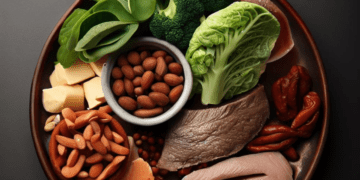
Incorporating more whole foods into your diet can help to keep your skin clear.
Foods high in antioxidants, such as berries and leafy greens, can help to reduce inflammation and prevent acne. Omega-3 fatty acids, found in fatty fish like salmon and sardines, can also be beneficial for acne-prone skin.
4. Over-the-Counter Products for Acne Treatment
The Benefits of Over-the-Counter Acne Treatments
Over-the-counter acne treatments can be effective at treating mild to moderate acne.
Look for products containing salicylic acid, benzoyl peroxide, or retinoids, which can help to unclog pores and reduce inflammation. These products are generally safe for most people and are easy to use at home.
Types of Over-the-Counter Acne Treatments
There are several different types of over-the-counter acne treatments, including cleansers, spot treatments, and acne patches.
Cleansers can help to remove dirt and oil from your skin, while spot treatments can be used to target individual pimples. Acne patches are a newer option that can be applied to individual pimples to help reduce inflammation and speed up healing.
Choosing the Right Over-the-Counter Acne Treatment for Your Skin
When choosing an over-the-counter acne treatment, it’s important to consider your skin type and the severity of your acne.
If you have dry or sensitive skin, look for gentle products that won’t irritate your skin. If you have severe acne, you may need to see a dermatologist for prescription-strength treatments.
5. Natural Remedies for Acne
While there are many treatment options available, some people prefer to use natural remedies to get rid of acne. These remedies are often cheap, easily accessible, and have fewer side effects than conventional acne treatments.
The Benefits of Natural Remedies for Acne
Using natural remedies for acne can offer a range of benefits.
First, many natural remedies have anti-inflammatory and antimicrobial properties that can help to reduce inflammation and prevent the growth of acne-causing bacteria on the skin.
Second, natural remedies are often gentler on the skin than conventional treatments, making them a good option for people with sensitive skin.
Finally, natural remedies are often cheaper and more readily available than prescription treatments, making them a popular choice for people on a budget.
Types of Natural Remedies for Acne
There are many natural remedies that have been shown to be effective in treating acne. These include:
Tea tree oil is a powerful antimicrobial that can help to kill the bacteria that cause acne.
Witch hazel is an astringent that can help to tighten pores and reduce inflammation.
Aloe vera has anti-inflammatory properties that can help to reduce redness and soothe irritated skin.
Honey has antibacterial properties and can help to reduce inflammation, while green tea is a powerful antioxidant that can help to prevent acne breakouts.
Choosing the Right Natural Remedies for Your Skin
When choosing natural remedies for acne, it’s important to consider your skin type and the severity of your acne.
Some natural remedies, such as tea tree oil, can be drying and may not be suitable for people with dry or sensitive skin. Others, such as aloe vera, may be more gentle and well-suited to people with sensitive skin.
It’s also important to note that natural remedies may take longer to work than conventional treatments, so it’s important to be patient and consistent in your use of them.

6. Prescription Medications for Severe Acne
While natural remedies can be effective for mild to moderate acne, severe acne may require prescription medications.
These medications are often more potent than over-the-counter treatments and can help to reduce inflammation, prevent the growth of acne-causing bacteria, and normalise skin cell turnover.
When to Consider Prescription Medications for Acne
If your acne is severe or is causing scarring, it’s important to talk to your healthcare provider about prescription treatment options.
Other factors that may indicate the need for prescription medications include the presence of deep, painful cysts, acne that covers a large area of the face or body, or acne that has not responded to other treatments.
Types of Prescription Medications for Acne
There are several types of prescription medications that may be used to treat acne. These include:
- Topical retinoids, which can help to normalise skin cell turnover and prevent the formation of new acne lesions.
- Oral antibiotics, which can help to reduce inflammation and prevent the growth of acne-causing bacteria.
- Isotretinoin, a powerful oral medication that can help to reduce inflammation and prevent the formation of new acne lesions.
How to Use Prescription Medications for Acne
When using prescription medications for acne, it’s important to follow your healthcare provider’s instructions carefully.
Topical medications should be applied as directed, usually once or twice daily. Oral medications may need to be taken for several months to see results.
It’s also important to be aware of the potential side effects of these medications, which can include dryness, peeling, and irritation of the skin, as well as stomach upset and other systemic effects with oral medications.
7. Lifestyle Changes to Get Rid of Acne
In addition to natural remedies and prescription medications, making simple lifestyle changes can also help to get rid of acne and prevent future breakouts.
The Impact of Lifestyle on Acne
Several lifestyle factors have been linked to the development of acne. These include a diet high in refined carbohydrates and dairy products, smoking, and stress.
By making simple changes to your diet and lifestyle, you may be able to reduce your risk of acne and improve the appearance of your skin.
Simple Lifestyle Changes for Clear Skin
To get rid of acne, try making these simple lifestyle changes:
- Eat a healthy, balanced diet that is low in refined carbohydrates and high in fruits and vegetables.
- Avoid smoking and limit your alcohol intake.
- Get regular exercise to help reduce stress and improve circulation.
- Keep your skin clean and avoid touching your face.
- Use oil-free or non-comedogenic skincare products to avoid clogging pores.
Stress Reduction Techniques for Acne
Stress is a common trigger for acne, so finding ways to reduce stress can be an effective way to prevent and manage acne breakouts.
Try practising relaxation techniques such as meditation, yoga, or deep breathing, or find other ways to unwind, such as taking a warm bath or reading a book.
By making these simple lifestyle changes, you may be able to get rid of acne and enjoy clearer, healthier-looking skin.
Conclusion
Acne can be a frustrating condition, but with the right knowledge and routines, it is possible to keep it under control.
By understanding the causes and types of acne, adopting an effective skincare routine, making dietary changes, and exploring different treatment options, you can achieve clearer, healthier-looking skin.
Remember that treating acne is a journey, and it takes time to see results. With patience and persistence, you can improve your skin’s condition and enjoy a smoother, brighter complexion.
Recommended: What is Salicylic acid and why should I use it on my skin?
FAQ
1. How long does it take to see results from acne treatment?
Results vary depending on the severity of your acne, as well as the treatment method you choose. Over-the-counter products may take several weeks to start working, while prescription medications may take several months to see significant improvements.
The key is to be patient and consistent with your treatment routine.
2. Can diet really affect acne?
Yes, there is a strong link between diet and acne. Certain foods, such as those high in sugar, dairy, and processed foods, can trigger breakouts in some people. On the other hand, a diet rich in fruits, vegetables, whole grains, and lean protein can help prevent and treat acne.
3. What should I do if my acne doesn’t improve with over-the-counter products?
If your acne doesn’t respond to over-the-counter treatments, it may be time to consult a dermatologist. They can prescribe stronger medications or recommend other treatment options, such as laser therapy or chemical peels.
4. Are there any lifestyle changes that can help prevent acne?
A healthy lifestyle can play a big role in preventing acne. Getting enough sleep, reducing stress, and staying hydrated can all help keep your skin clear.
It’s also important to avoid touching your face and to keep your phone, pillowcases, and other items that come in contact with your face clean and germ-free.
What Next?
- If you enjoyed this article, have any questions, or health concerns requiring our attention, then make sure to comment below and let us know.
- If you desire to have a personal conversation with a physician, consider scheduling an individual consultation.
Be Our Friend!
- Follow DASHING HEALTH on Facebook, Twitter, Instagram, Youtube, LinkedIn, Pinterest
- Do well to click the “share buttons” below and share this post with your social media community.
- Consider subscribing to our newsletter to get our latest content by email.
Support Us
Secure the services of a personal physician who can cater to the medical requirements of you and your loved ones. Take the first step by supporting us on Patreon today!
Recommended: 8 Foods to Absolutely Avoid If You Want a Clear, Glowing Skin